Rotec AI

Tools

Bearing SelectorPick the right bearing, step by stepVerify a BearingLife, safety factor and fitsLoad CalculatorLoads from your machineWorked templatesFan, gear and shaft load templatesCross-ReferenceSame size from other makersBearing AutopsyNewUpload a photo, get the likely causesFailure AnalysisRead damage, find the causeLubricationGreases, oils, cleanliness, oil lifeEquipment AnatomyMotors, pumps, fans, gearboxesFAQ and quick checksSearch the basics in plain languageFind a DistributorSuppliers by brand and city

Learn

Free calculatorsLife, grease, oil, loads and moreFind a bearingSize, rating and equivalents by designationFailure modesDamage types, causes and fixesKnowledge libraryLubrication and reliability articlesBearings by machineMotors, pumps, mills, kilns and moreHow-to guidesBearing life, grease, failures, numbersField casesFailure investigations and monitoring cases (licence)Lubrication guidesGreases, oil systems, oil life and costQuick answersPlain-language answers to common questions

More

PricingPartnershipsContact
Reading failed bearings

Overheating and running dry: what the parts look like

Heat colours, soft deformed rollers, damaged cage windows and carbonised oil mark a bearing that lost its oil film. The cause is not always no oil.

Plastic yielding from heat

When there is not enough oil film to separate the surfaces, or the load is heavy enough to deform the steel permanently, the metal yields. Heat softens the rollers and cage, and the bearing quickly makes more heat. Root causes include too little or too much lubricant, the wrong viscosity, high loads and rough surface finish.
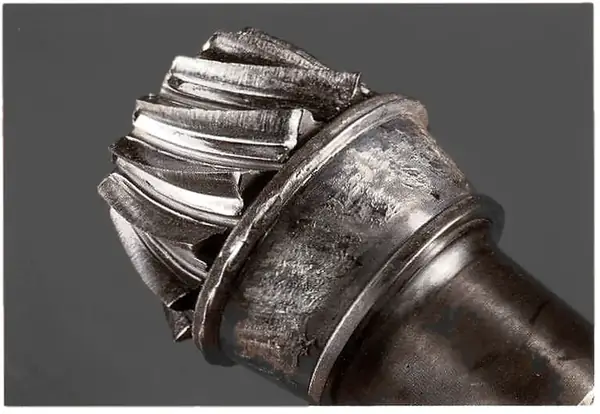
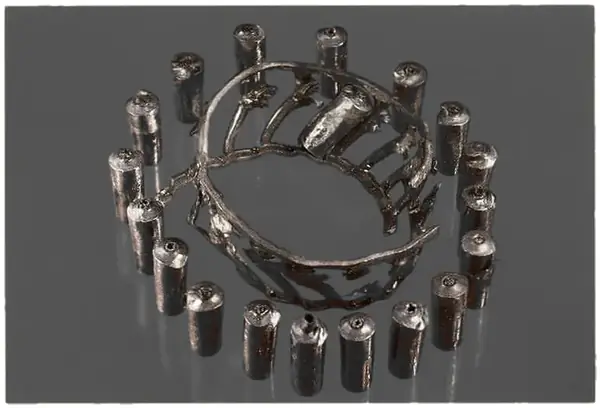
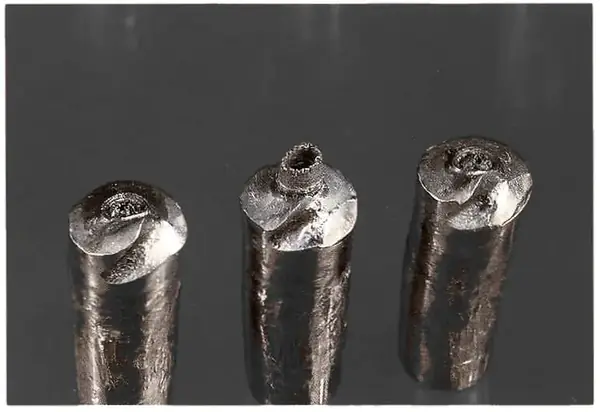
Bearing that ran with no oil: hot and dry, with little or no carbonised oil and heavy plastic deformation. In this case a plug had worked out of the housing.

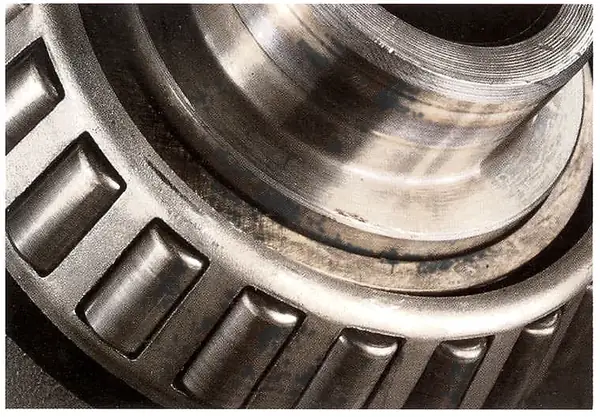
Deformed cage and softened rollers: the rollers skewed, stopped turning, skidded and generated more heat.

Close-up of plastically deformed roller ends.

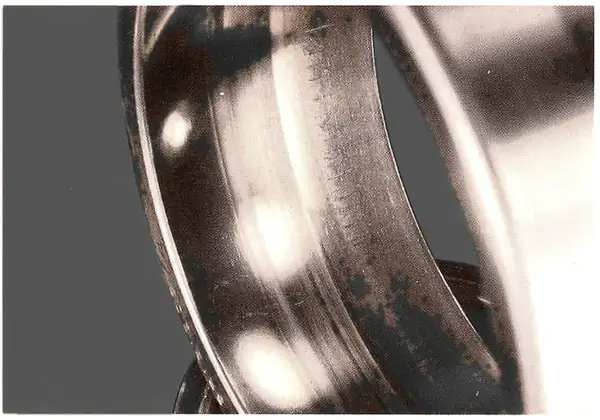
Early stage on a different bearing: roughening and fine axial cracking of the raceway.

Feathering or lipping on cage window edges. The window usually does not wear to an hourglass shape unless adjustment is lost.

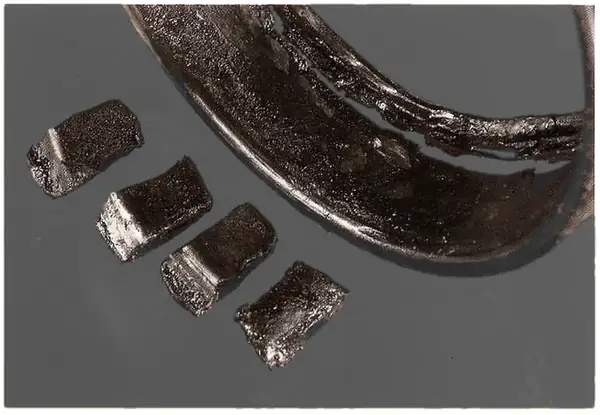
Later stage: discoloured, damp, cooked or carbonised oil when high temperature was reached.

Not only no oil

Heat damage also starts with lubricant quality, high ambient temperature, heavy load or rough surface finish. Early signs are glazing, discoloration and fine surface pitting (frosting) before yielding appears.

Takeaway. Heat damage is a result. Find out why the oil film failed: supply, quantity, grade, load or temperature.
Put it to work in the tool

Related reading

Nine damage typesReading spall patterns on roller bearing racewaysDents on the racewayLoose fits, fretting and ring creepHandling and installation damageFractures, impact load and the rare real manufacturing defect
All knowledge articlesBearing failure modesGrease selector