

Reading failed bearings
Dents on the raceway: true brinelling, false brinelling and bruising
Three kinds of dents look similar and have different causes. Ground marks in the bottom of the dent and the spacing give the answer.
Three ways to get dents
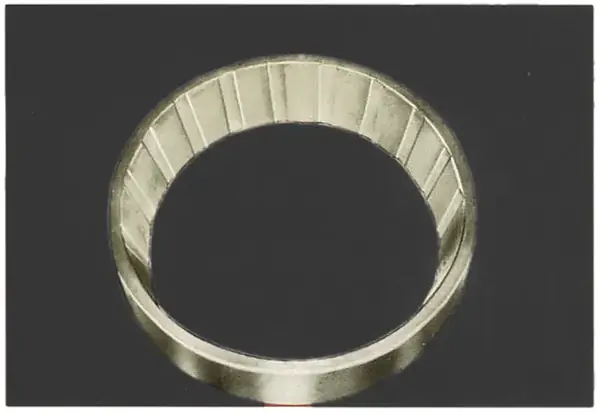
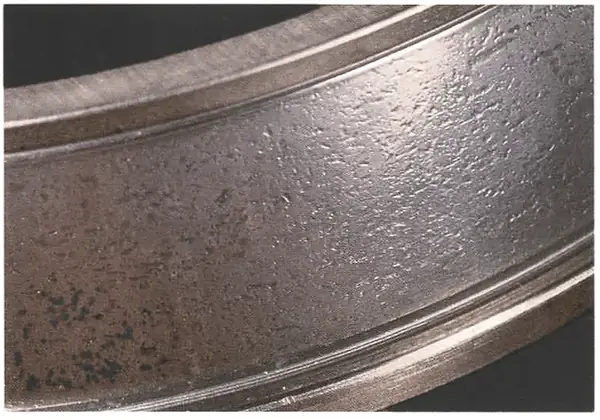
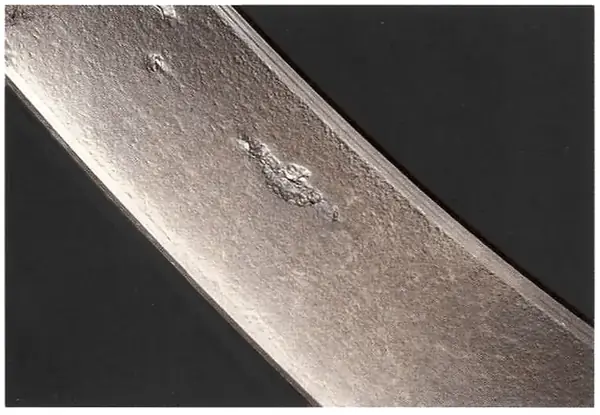
Dents on raceways come from heavy static load or shock (true brinelling), from vibration while the bearing stands still (false brinelling), or from hard particles rolled through the contact (bruising).
| Type | How to recognise it | Typical cause |
|---|---|---|
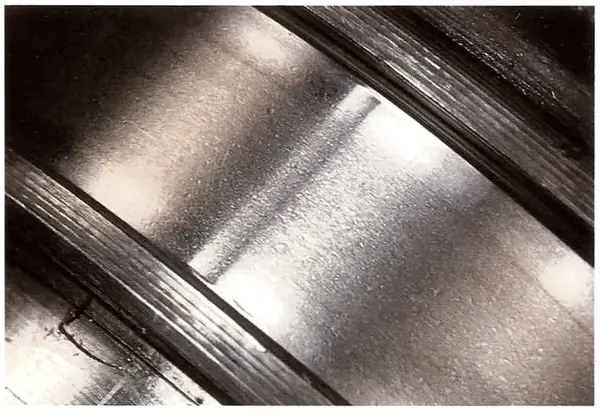
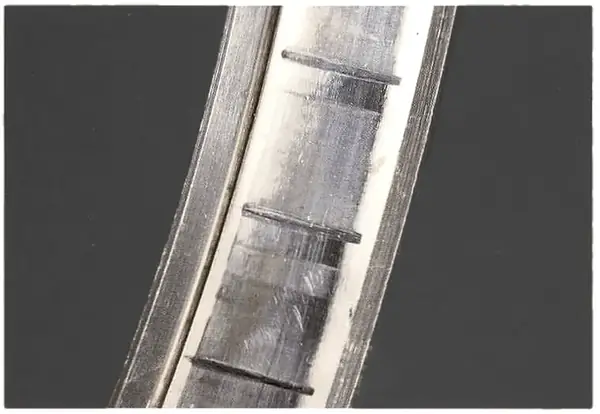
| True brinelling | Dents with the original grinding marks still visible in the bottom, spaced like the rolling elements | One ring pressed through the other during assembly, or a shock load |
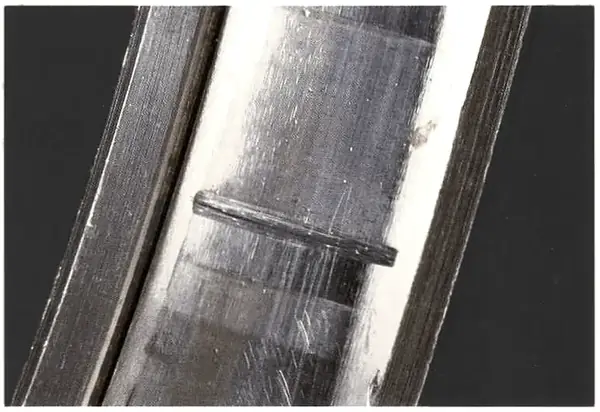
| True brinelling from shock in service | Dents in only part of the circumference, wear pattern in the bottom undisturbed | Shock load after the bearing had run for some time |
| False brinelling | Marks at roller spacing but grinding marks worn away; polished or rust coloured | Vibration while stationary, for example shipping a machine by rail |
| Bruising | Random dents on raceway and rolling elements | Large metal particles from a gear or bearing failure in the lubricant |
Follow the source
For false brinelling, the next question is where the vibration came from: transport, a neighbouring machine, or a stand-by unit being shaken. Stand-by machines should be turned periodically and isolated from vibration.
Takeaway. Look inside the dent. Intact grinding marks mean the dent was formed by a one-off load; worn-away marks mean vibration with the bearing standing still.
Put it to work in the tool