

Thermography: why a camera reads radiation, not temperature
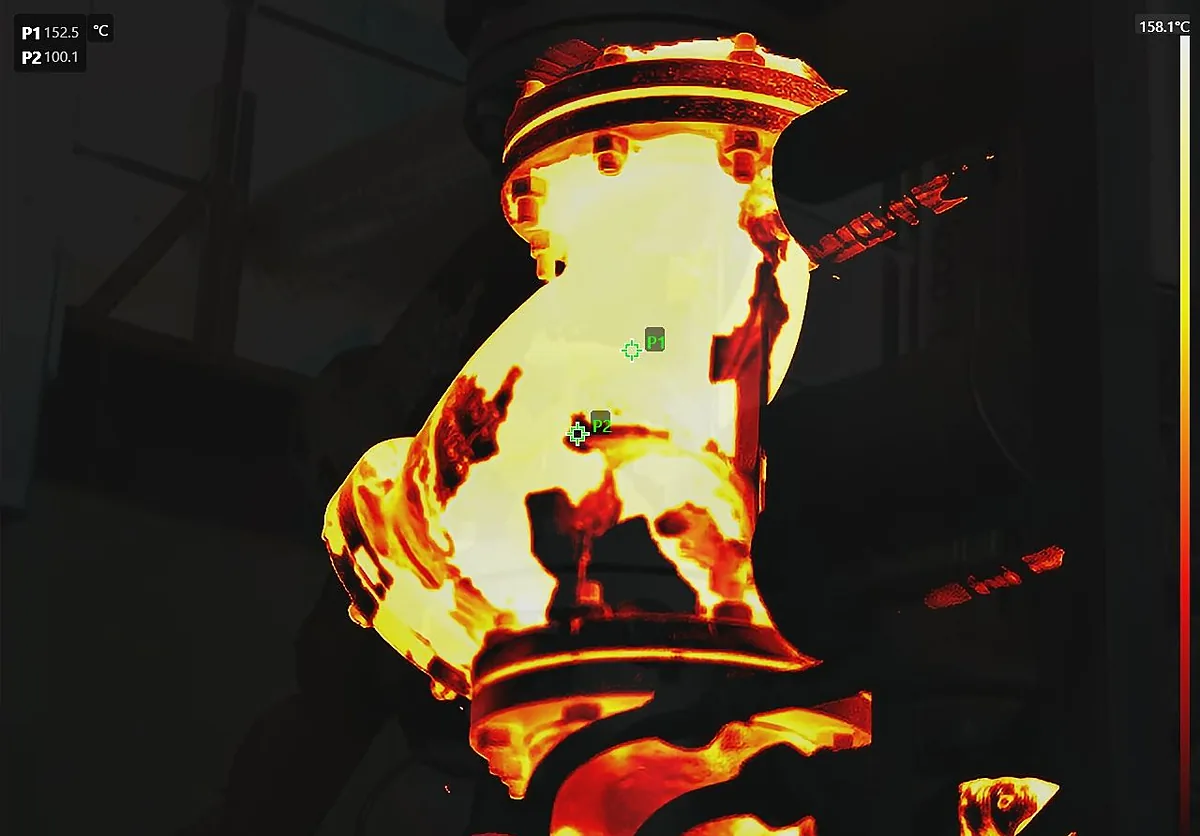
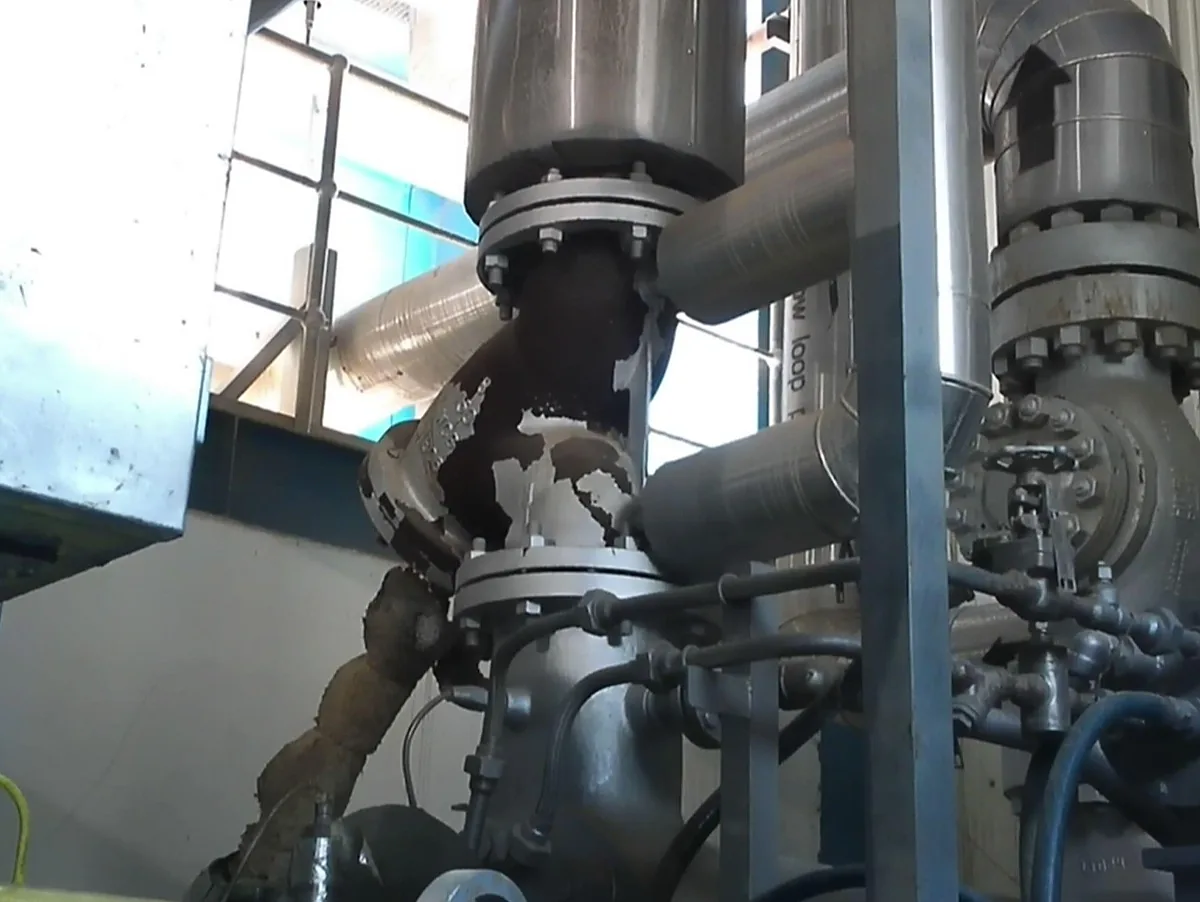
An infrared camera converts the radiation from a surface into a number using an emissivity setting. Rust and paint at the same temperature look very different. Read patterns first and numbers second.
Heat and temperature
Temperature is a measure of intensity. Heat is energy in transfer. A camera shows a picture of the heat leaving surfaces. Reading it well needs an understanding of how heat moves, not only of the numbers on the screen. The qualitative method looks at the distribution of heat rather than the exact value.
Emissivity: the setting that matters
Emissivity is a number from 0 to 1 for how well a surface radiates compared with a perfect radiator. High emissivity means the surface radiates strongly and looks hot. Low emissivity means the camera sees little radiation and reports a lower temperature than the true one, and it also reflects the surroundings.
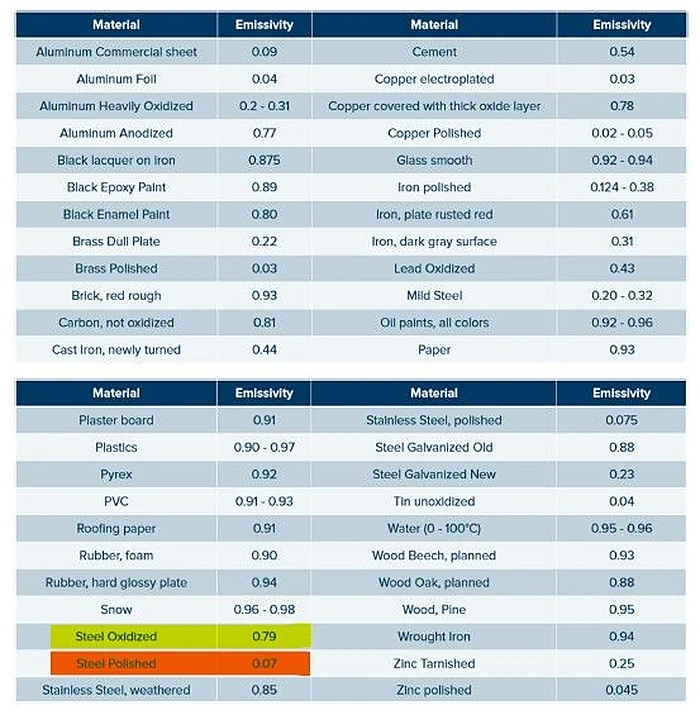
A few typical values
| Surface | Emissivity |
|---|---|
| Oil paint, any colour | 0.92 to 0.96 |
| Steel, oxidised | 0.79 |
| Steel, polished | 0.07 |
| Aluminium foil | 0.04 |
Good practice
- Compare like with like: the same finish on both sides of a comparison.
- Where the surface is shiny, put on a patch of high-emissivity tape or matt paint and measure there.
- Set emissivity, reflected temperature and distance in the camera, and write them in the report.
- Look for patterns: one bearing hotter than its twin, one phase hotter than the others.
- Pair thermography with vibration. Heat tells you where; vibration tells you why.
An example of the pair
A condensate pump showed an overheated non-drive-end bearing in seconds. Vibration then found the cause, loose bolts. After re-torquing, vibration fell from 2.94 to 0.38 mm/s RMS and temperature from 57 °C to 36 °C.