

Why seals fail: twelve failure modes and their causes
Abrasion, extrusion, dieseling, decompression, trapped pressure, contamination, heat, chemical attack, side load, fatigue, erosion and dry running: how each looks and what causes it.
Why seals matter
A seal is a small part of the price of a hydraulic cylinder or rotating shaft assembly, but its failure stops the machine, leaks oil, puts people at risk and can let dirt into a bearing. Good seal diagnosis is a starting point for stopping the repeat.
| Failure mode | What it looks like | Main causes |
|---|---|---|
| Abrasion | Wear marks across the seal lip migrating across the sliding surface | Sliding surface too rough, or damaged; insufficient lubrication; contamination |
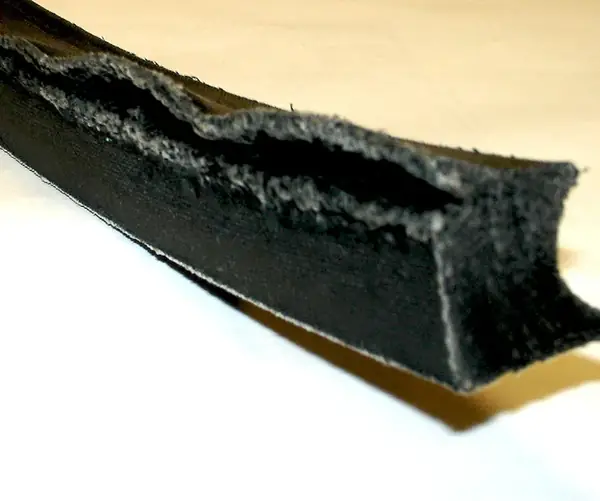
| Extrusion | Material nibbled and pushed into the clearance gap on the low pressure side | Pressure too high, gap too large, softer material, cylinder wall flexing |
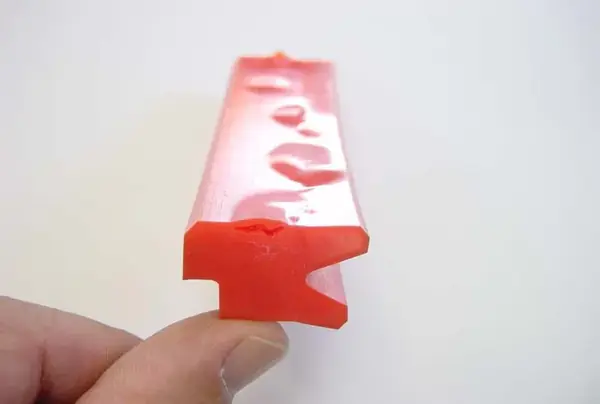
| Dieseling | Burnt, blackened seal face and pitting | Air bubbles in the oil that ignite when pressure rises quickly; unpurged system |
| Explosive decompression | Blisters, cracks and splits in the seal body | Gas absorbed under pressure that expands when pressure drops; incompatible material |
| Pressure trapping | Seals pushed apart, reverse extrusion | Oil trapped between two seals; wrong seal design for the application |
| Contamination | Embedded particles, scored guide bands | Dirty oil, cylinder wear debris, poor wiper |
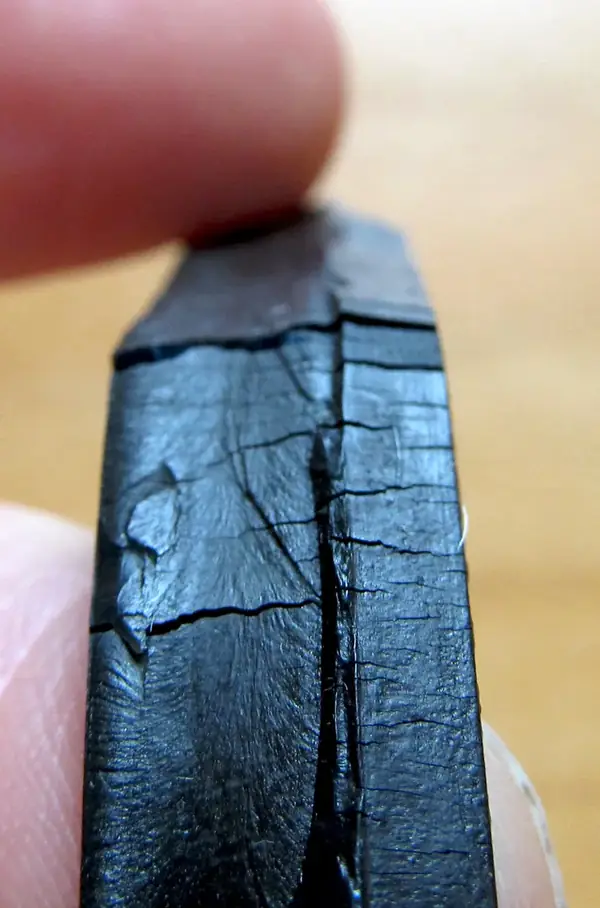
| Heat damage | Hard, cracked, discoloured seal | Hot oil or environment, high speed friction, wrong material |
| Chemical attack and hydrolysis | Swelling, softening, crumbling | Fluid incompatible with the seal material; water at high temperature |
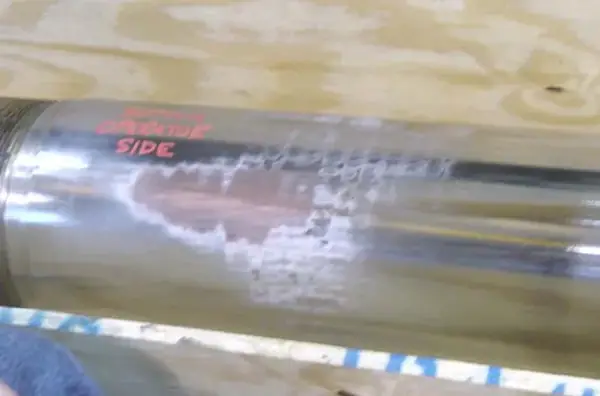
| Side loading | Metal-to-metal contact damage, chrome worn off the rod | Insufficient guidance, high side loads |
| Flex fatigue | Crack through the thin section of the seal | Repeated pressure cycles, incorrect design, high pressure |
| Flow erosion | Material removed from the lip, starting at the lip side | Fluid jetting across the seal, collapsed bubbles |
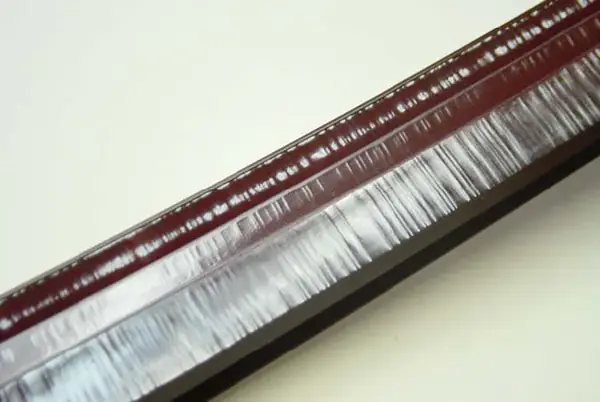
| Dry running | Shiny smooth seal surface, flattened lips | Low lubrication, too many sealing lips for the job |
Surface finish and hardware
A seal is only as good as the surface it slides on. Too rough a rod grinds the lip; too smooth a one lets it run dry. Rods should be hard and super-finished with a bearing area ratio specified, not only a roughness value. Chrome or hard overlay of sufficient depth and thickness protects the base metal.
Installation errors
Seals fitted backwards, stretched beyond their limit, kinked, installed with the wrong tool or past shelf life all fail early. Installation is the most controllable cause.
Note on scope
The photographs and failure families here come from hydraulic sealing. Rotary shaft seals share many modes: heat, abrasion, dry running, chemical attack and installation damage.